





Search Results for: made in Japan
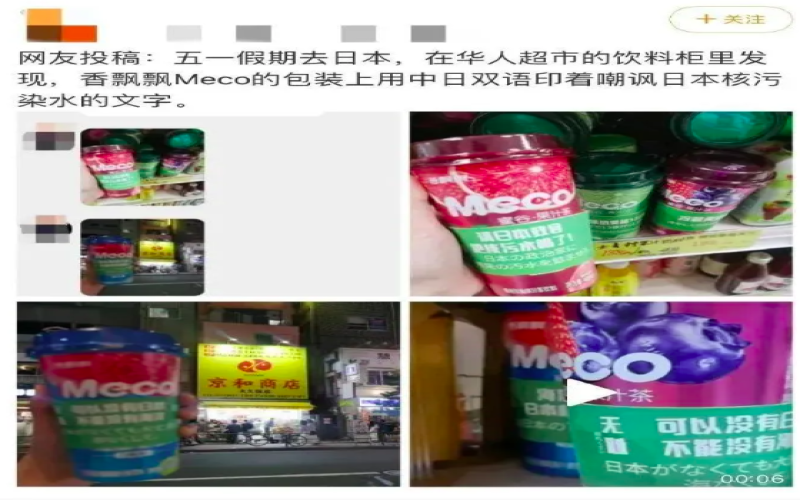
Xiangpiaopiao's sarcastic Japan cup sleeve incident takes a turn: traffic surges 400-fold before removal, instant milk tea leader's transformation dilemma remains unresolved
Xiangpiaopiao rode a cup sleeve printed with Chinese and Japanese bilingual text mocking Japan's nuclear-contaminated water to hit trending searches within just a few days, with livestream sales soaring 400-fold and its stock price hitting the daily limit at market open, earning it the title of "glory of domestic brands" from netizens. But the story soon took a dramatic turn—local supermarkets in Japan denied selling products with the cup sleeve, media questioned it as staged hype, the cup sleeve was taken off shelves on May 8, and the stock price fell back accordingly. Behind this "windfall from heaven" lies a deeper anxiety: powdered milk tea made with non-dairy creamer is struggling amid the rise of freshly made tea drinks and shifting health-conscious consumer attitudes. Competition from brands like Heytea and Mixue Bingcheng has driven Xiangpiaopiao's performance down for three consecutive years, making a shift to ready-to-drink products an inevitable choice. This article walks through the entire timeline of the incident and explores the real impact of this traffic storm on the brand's image. Follow Front Street Coffee and let's savor the ups and downs of the coffee and tea beverage industry together. [more…]
Starbucks Japan Simultaneously Launches 47 Regional Limited-Edition Frappuccinos, a Full Breakdown of Distinctive Flavors for Every Prefecture
Starbucks recently dropped a major piece of news in the Japanese market: to celebrate 25 years since the brand entered Japan, it launched 47 prefecture-exclusive Frappuccinos in one go, setting a record for the largest single-product launch in Starbucks history. These 47 drinks were designed by local employees based on the specialties and memorable highlights of their respective hometowns, from Hokkaido corn cream to castella coffee cream, with each cup carrying its own unique regional culture. This article will walk you through the creative inspirations behind these limited-edition Frappuccinos, their signature flavors and how they are made, along with release dates and purchase restrictions. [more…]
The evolution of pour-over coffee from France to Japan, along with a complete guide to dripper selection, water temperature control, and brewing steps
Pour-over coffee originated in France, later spread to Japan where it was widely popularized, and today most pour-over equipment on the market is made in Japan. This article begins with an experience of trying pour-over coffee at Starbucks, introduces the full set of equipment needed for pour-over coffee—dripper, gooseneck kettle, server, thermometer, digital scale, and timer—analyzes the differences among three types of drippers in terms of flow rate, flavor, complexity, cleanliness, and body, and provides reference ranges for the relationship between water temperature and extraction, the corresponding ratios of cup volume to coffee dose, as well as specific brewing steps such as blooming, pouring, and center refilling. Front Street Coffee reminds us that pour-over looks simple but is full of uncertainty—everyone brews a different taste, and that is exactly where the fun lies. [more…]
Coffee Silver Skin Gets a New Life: Japan Launches Silver Skin Straws and Eco-Friendly Tissues
In the coffee industry chain, silver skin is often overlooked as a roasting by-product. However, Japan's Ito En and Tully's Coffee have teamed up to transform this thin protective layer into water-resistant straws. Every 10 grams of coffee beans produces enough silver skin to make two straws, and it does not interfere with the flavor of the drink. In fact, Tully's Coffee had already launched eco-friendly napkins containing silver skin as early as 2012. Although these products are currently limited to some stores in Japan, silver skin-blended paper has already taken an eco-friendly step in reducing pulp usage. This article will guide you through the transformation of coffee silver skin from waste to practical accessories, and revisit coffee grounds recycling cases such as Starbucks' ground coffee straws, exploring the possibility of fully utilizing the entire coffee fruit. [more…]
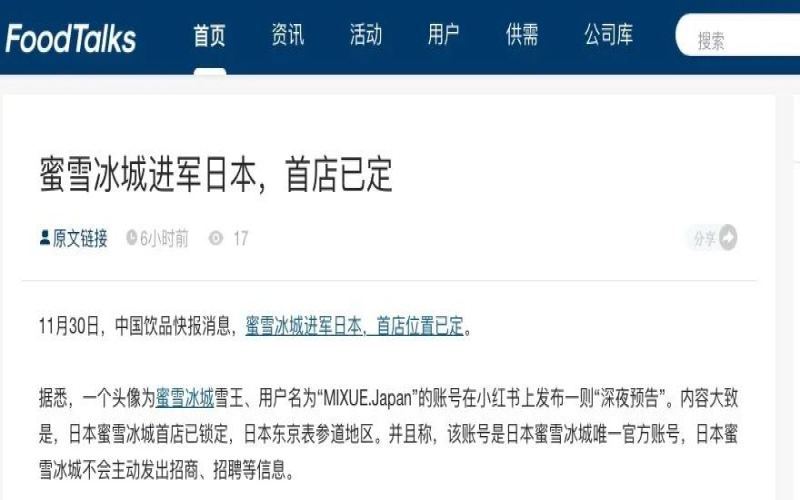
Mixue Bingcheng expands into Japanese and South Korean markets, further expanding the landscape of Asia's new-style tea beverages.
Chinese freshly-made beverage giant Mixue Bingcheng is accelerating its overseas expansion. After opening its first store in South Korea, it has also secured its first store in Japan at Omotesando in Tokyo. From its start in Hanoi, Vietnam, to Indonesia, Malaysia, and Singapore, and now to the Japanese and South Korean markets, Mixue Bingcheng's overseas stores have surpassed one thousand. Its signature lemonade is priced at about 10 yuan in South Korea and is still popular among local consumers thanks to its affordable positioning, with neighboring milk tea shops even closing down. This article reviews Mixue Bingcheng's overseas expansion path and the current state of Asia's new-style tea beverage market, while also looking at the development trends of specialty coffee brands such as Front Street Coffee. [more…]
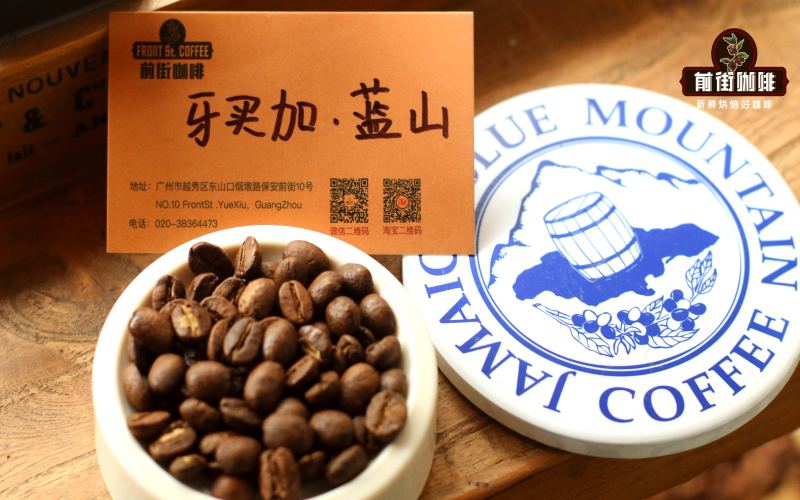
A Comprehensive Analysis of Jamaican Blue Mountain Coffee Beans: Flavor, Taste, Brands, Prices, and Authenticity Identification
Blue Mountain coffee originates from the high-altitude regions of the Blue Mountains in eastern Jamaica. It is named after the blue glow reflected off the Caribbean Sea. It belongs to the same system as Jamaica High Mountain coffee, but the two differ in grade. This region has volcanic-rich soil, a tropical climate with year-round fog and rain, and the pure Typica variety introduced in the 18th century along with early wet-processing methods, all of which create the classic Blue Mountain flavor with its balance of sweetness, acidity, and bitterness. At present, most Blue Mountain coffee circulating on the market is consumed by markets such as Japan, Europe, the United States, and China. The Jamaica Coffee Industry Board (CIB) controls exports through mechanisms such as quality standards, authorization certificates, and certificates of origin. This article will provide coffee lovers with a complete overview of this legendary coffee from aspects including the characteristics of its origin, the appearance and flavor of Front Street Blue Mountain coffee, key points for identifying authenticity, the reasons for choosing Clifton Farm, and the price of Blue Mountain coffee. [more…]
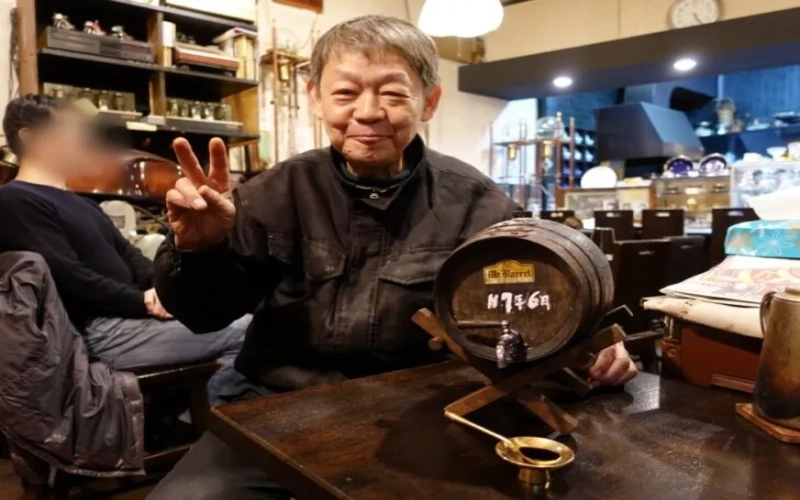
Unveiling Japan's Most Expensive Coffee: Aged 35 Years in Wooden Barrels, the Masterpiece of Mr. Tanaka's Dedication in Yao, Osaka
What is the most expensive coffee you've ever had? In Yao City, Osaka, there's a self-roasting shop called "The Münch," selling the most expensive coffee in all of Japan—the "Phantom Creation" low-temperature, long-term aged coffee. This coffee is made from aged beans stored for 15-30 years, deeply roasted, brewed with a flannel drip to create a 1:1 super-concentrated extract, then placed into special coffee wooden barrels and aged in a -3°C cold storage for 20-30 years. By that calculation, even the youngest coffee in the barrel has gone through 35 springs and autumns. 40ml sells for 100,000 yen, with a tasting price of 2,000 yen. What exactly does it taste like? And what kind of persistent shop owner stands behind it? Let's step together into Mr. Tanaka's world of coffee. [more…]
Why Is Uji, Japan the Birthplace of Green Tea? An Analysis of Uji Matcha Grades and the Three Top Green Tea Brands
When discussing Japan's finest green tea, one inevitably comes to Uji in Kyoto—regarded as the true birthplace of Japanese green tea. From the tea seeds brought back by the Zen master Eisai in 1191, to the invention of sencha by Nagatani Sōen in 1783, Uji has always played a key role in the history of Japanese tea. What exactly does "Uji" in Uji matcha mean? Why has it become synonymous with high-quality matcha? And how are the grades of Uji matcha classified? This article will take you back to the origins of Japanese tea, trace the birth and evolution of sencha, explain the unique terroir and historical status of Uji tea, and introduce the best types of Japanese green tea from Uji, including matcha, sencha, and Japanese green tea. [more…]
What is the English name of Jamaican Blue Mountain Coffee? How to Identify Authentic Blue Mountain Coffee Beans and Their Prices
Blue Mountain Coffee, known in English as Blue Mountain Coffee, originates from the high-altitude regions of Jamaica's Blue Mountains and is one of the most sought-after coffees in the world. This article provides a comprehensive introduction to Jamaican Blue Mountain Coffee from the perspectives of its growing environment, historical background, varieties and processing methods, and market distribution, with particular emphasis on how to distinguish authentic Blue Mountain coffee beans from counterfeit ones through three key points: the exporting company, barrel packaging, and certification certificates. At the same time, the article retains Front Street Coffee's brand recommendations and product information, including the flavor characteristics of Front Street washed Blue Mountain Coffee and the price of Front Street Blue Mountain No. 1 coffee beans, helping coffee enthusiasts gain a clearer understanding of this legendary coffee. [more…]
The Complete Guide to Jamaican Blue Mountain Coffee: Origin of the Name, Terroir, and How to Identify Authentic Beans
Why has Blue Mountain coffee become a legend in the coffee world? Its name comes from the blue radiance reflected off the Caribbean Sea, while its quality benefits from the high-altitude volcanic soil and the humid, foggy climate of eastern Jamaica. From the Typica variety introduced in the 18th century, to the government-led coffee revival plan in the 1950s, to Japan's long-term contracting and today's direct trade with the Chinese market, the identity of Blue Mountain coffee has always been closely tied to scarcity and strict certification. This article will systematically sort out the origin, meaning of the name, and processing methods of Blue Mountain coffee, and focus on how to distinguish genuine Blue Mountain coffee through three key points: the export company, barrel packaging, and authorization certificates. At the same time, the article will retain the Blue Mountain coffee product information recommended by the Front Street brand to help coffee lovers make clearer judgments when purchasing. [more…]
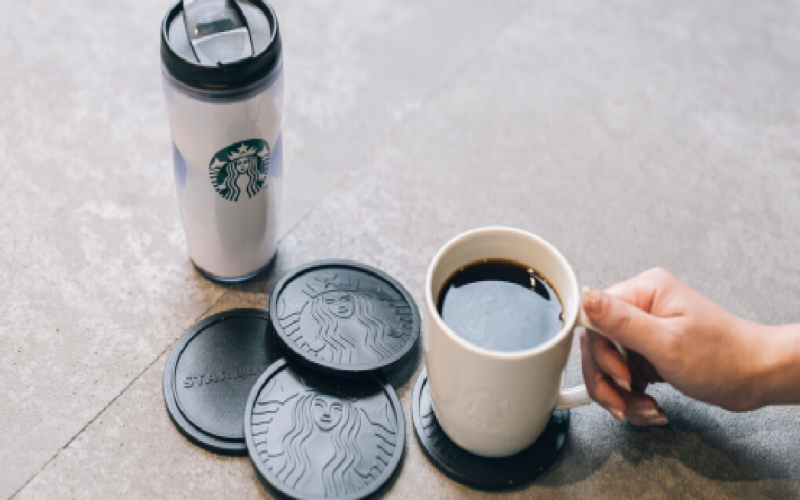
Starbucks Upgrades Its Environmental Practices Again: Discarded Reusable Cups Recycled into Coasters, Coffee Grounds Turned into Straws and Cakes
As the world's largest coffee chain brand, Starbucks consumes an astonishing amount of materials in its daily operations, with plastic products being a significant component. In recent years, Starbucks has continued its transformation into an environmentally friendly brand, constantly introducing new initiatives in resource recycling. Starbucks Japan recycles discarded tumblers into coasters, while coffee grounds are used for composting to grow carrots and make cakes for sale; Starbucks China processes coffee grounds into cold drink straws. Additionally, Starbucks is accelerating the opening of "Green Workshop" stores, using discarded items from other stores for creative upcycling. These practices not only reduce carbon emissions but also demonstrate to consumers more possibilities for waste recycling, offering considerable inspiration to the coffee industry. [more…]
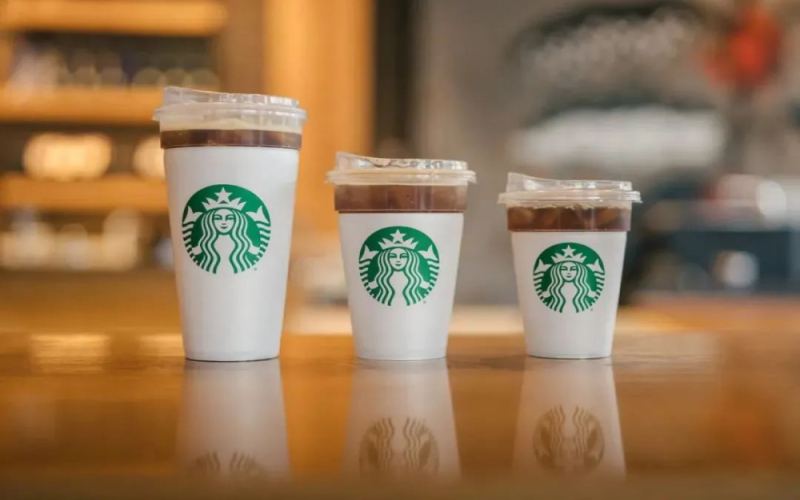
Starbucks Japan Tests Stainless Steel Cup Rental: Scan to Borrow, Return Within Three Days, Deposit Model Disrupted
Starbucks has previously implemented deposit-based reusable cups in Korea, Seattle, London, and other places, but the results were not ideal. Starbucks Japan was the first to change its approach, launching a stainless steel cup rental service at ten stores in Tokyo. Customers can scan a code via a mobile app to borrow a cup, return it within three days, and even enjoy a discount on their drink. After return, the cups are uniformly washed at high temperature and disinfected. The company emphasizes that there is no need to worry about residual viruses or bacteria. Can this model truly promote environmental protection, and can it be replicated in other regions? This article will provide a detailed interpretation for you. [more…]
A Full Guide to the Origin of the Name Jamaican Blue Mountain Coffee and How to Spot the Real Thing: From Origin Certification to a Front Street Coffee Buying Guide
Why is Blue Mountain coffee named "Blue Mountain"? What makes it the second most expensive coffee in the world? This article begins with the geography of Jamaica's Blue Mountain range, tracing the origin of the name Blue Mountain coffee, the growing conditions of its production area, the advantages of the Typica variety and the washed process, the history of Japan's long-standing monopoly on the market, and the certification system of the Jamaica Coffee Industry Board (CIB). At the same time, the article breaks down in detail how to identify borderline products on the market such as "Blue Mountain flavor" and "Blue Mountain blend," introduces the three key points for identifying authentic Blue Mountain coffee—designated export companies, barrel-packed green beans, and authorization certificates—and, drawing on Front Street Coffee's sourcing examples, explains why Clifton Farm was chosen, as well as the current actual price range of Blue Mountain coffee, helping coffee lovers buy genuine Jamaican Blue Mountain. [more…]
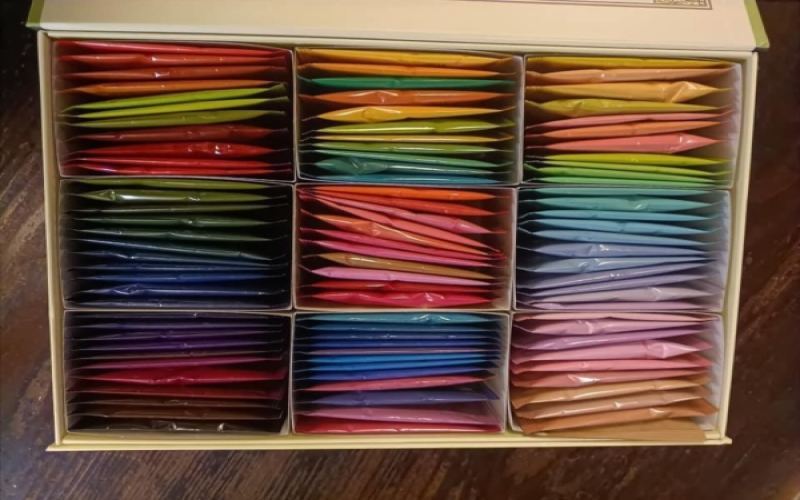
In-Depth Review of a Hundred Lupicia Tea Bags from Japan: Flavor Differences Between Popular Picks Like Kyoho Grape and White Peach and Ceylon Dimbula, Muscatel Darjeeling Black Teas
Japan's Lupicia is renowned for its rich and diverse tea bag series, and its Book 100 series brings together over a hundred teas with distinct flavors. Starting from the top 10 popularity ranking, this article reviews signature offerings one by one, including Kyoho, White Peach Oolong, and TOKIO Tokyo Wild Berry, while also taking an in-depth look at the flavor differences between Ceylon Dimbula and Darjeeling black tea. At the same time, it analyzes the real performance of specialty teas such as Nilgiri, deep-steamed sencha, and Cherry Black Tea. Whether you are a beginner just getting into Lupicia or a seasoned tea drinker looking for an everyday staple, this review can help you find the one that suits you best. Front Street Coffee will also combine tasting experience to share practical advice on selecting and brewing. [more…]
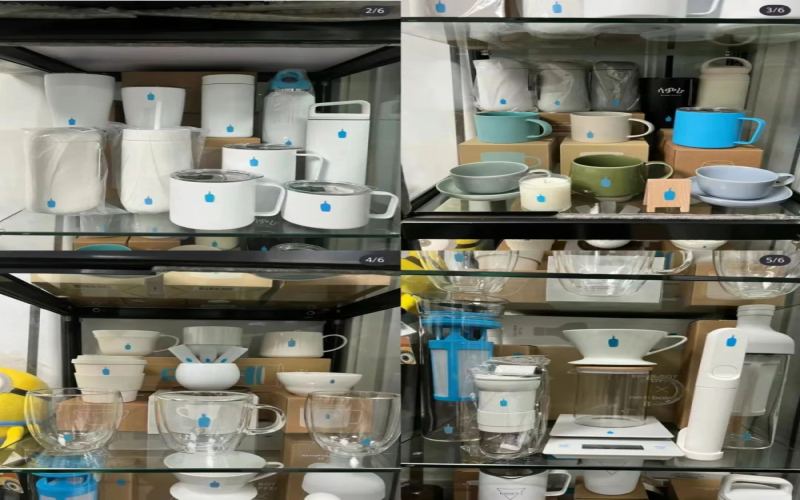
Blue Bottle Coffee's limited-edition green cup quality control fails: Controversy over hand-glazing and differences in cup-bottom markings in China spark heated discussion
Blue Bottle Coffee recently launched a 2023 holiday limited-edition pine green mug in Japan, which quickly became a hit in collector circles thanks to its high aesthetic appeal. After the China region officially announced its release on November 5, the mini-program sold out instantly, with many enthusiasts going so far as to use international proxy shopping services or visit physical stores just to get one. However, when the mugs arrived after crossing the ocean, many consumers discovered flaws such as uneven glaze and bumpy walls, and customer service's response citing "artisan handmade" further sparked skepticism. In addition, the China version only has "Made in Japan" printed on the bottom, creating a gap compared with the complete information on the Japanese version. Even more frustrating, some online orders arrived with the mug shattered upon opening due to flimsy packaging. Front Street Coffee has also been following this incident, and this article will provide a complete rundown of the Blue Bottle green mug's journey from hot demand to backlash, offering a reference for coffee gear enthusiasts. [more…]
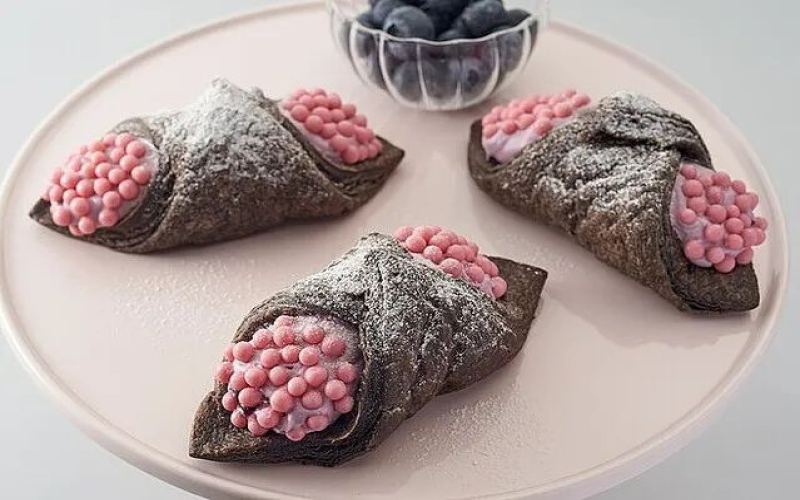
New Japanese Starbucks product sparks heated discussion over its appearance, with netizens saying it looks like apple snail eggs and Ohmu
Starbucks has consistently won consumer favor with its beverage and merchandise designs, but a new cream pie recently launched by Starbucks Japan unexpectedly sparked controversy online. This dessert, featuring a cocoa crust wrapped around blueberry cream and garnished with strawberry-powder pearl chocolate, trended on Twitter because netizens pointed out its appearance closely resembles apple snail eggs or the Ohmu from "Nausicaä of the Valley of the Wind." Despite the appearance triggering trypophobia-style complaints, some adventurous tasters said it actually tastes good. This article reviews the official introduction of this new product, netizen reactions, and several past aesthetic missteps in Starbucks history. At the end, professional coffee knowledge exchange channels and Front Street Coffee recommendations are included. [more…]
A Complete Guide to Japanese Canned Coffee Brands: Boss, Georgia, and Wonda Flavor Comparison and Buying Guide
Canned coffee is ubiquitous in Japan, but it is not common in other countries and regions. Therefore, when traveling to Japan, facing the diverse brands on shelves and in vending machines, it is natural to feel curious and even want to try them one by one. Since UCC Ueshima Coffee launched portable canned coffee in 1969, many major manufacturers have successively entered the market, with increasingly sophisticated packaging and flavors gradually shifting towards sugar-free and low-sugar options. This article will introduce the popular products of three brands: Boss, Georgia, and Wonda, and share a tip on how to heat canned coffee without a microwave in a hotel by using a water bath, helping coffee lovers better enjoy this convenient beverage during their travels. [more…]
Which estate does UCC Jamaican Blue Mountain coffee come from? The legend of Ueshima Tadao's directly operated farm and a flavor analysis
The connection between Japanese coffee giant UCC and Jamaican Blue Mountain coffee can be traced back to a fixation held by Tadao Ueshima in the early 1980s—to give Japanese people a stable supply of authentic Blue Mountain. To this end, UCC established a directly operated farm in the Blue Mountain region, starting from Clayton House, overcoming steep-slope cultivation, wildfires, hurricanes, and many other difficulties, and ultimately shipping high-quality Blue Mountain coffee back to Japan in batches. Which estate does UCC Blue Mountain coffee actually come from? How does it taste? This article sorts through this cross-border history of coffee cultivation and introduces Front Street Coffee's recommendations and understanding of related beans, helping you understand the story and flavor behind UCC Blue Mountain. [more…]
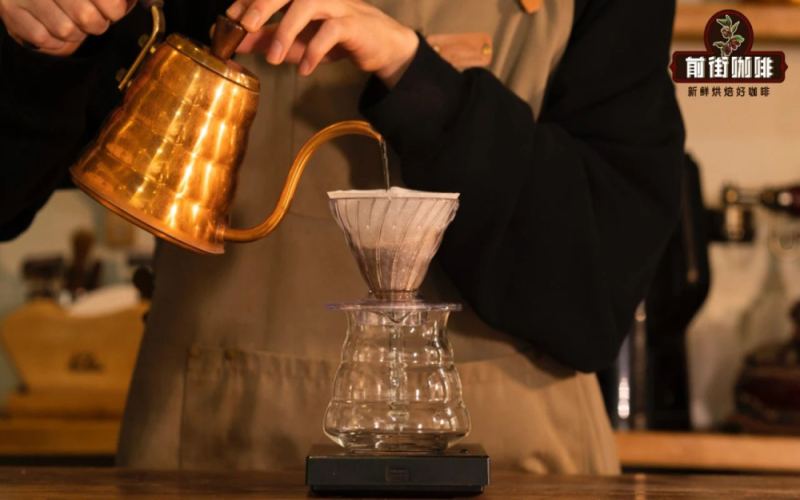
Japanese Iced Coffee | Which coffee beans are suitable for Japanese iced coffee? What are the flavor characteristics of Japanese iced pour-over coffee? How do you make a delicious Japanese iced coffee?
For more specialty coffee knowledge, please follow our WeChat official account: Front Street Coffee (FrontStreet Coffee) Among the many countries around the world, if we're talking about a craftsman-like dedication to coffee, Japan definitely ranks at the top. Front Street knows that Japan has always had a long [more…]
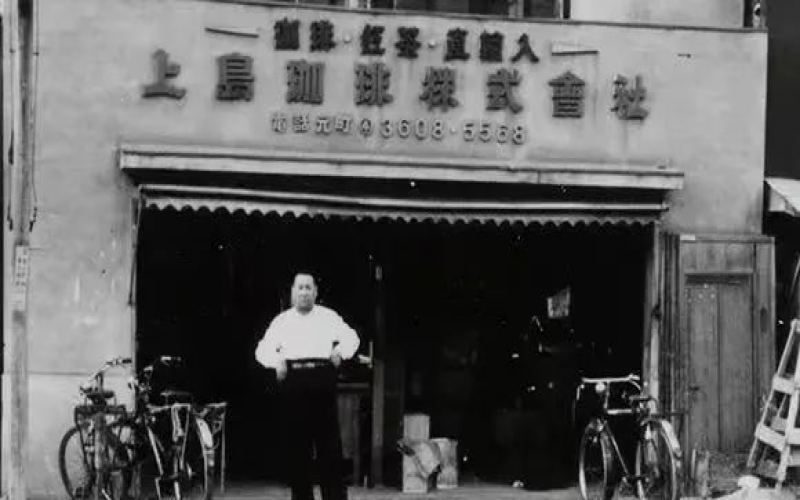
Jamaican Blue Mountain Coffee | What Makes Blue Mountain Coffee So Good? What Is the Connection Between Blue Mountain Coffee and Japan? What Flavors Does Washed Blue Mountain Coffee Showcase When Brewed as Pour-Over?
Because Front Street is one of the few coffee shops that sells Blue Mountain coffee offline, quite a few coffee lovers make a point of coming to visit and check in, hoping to savor the taste of Blue Mountain coffee—once the "top star" of the coffee world. Yes, it's Blue Mountain's fame they've come for... and interestingly, when these coffee-loving friends actually taste [more…]